
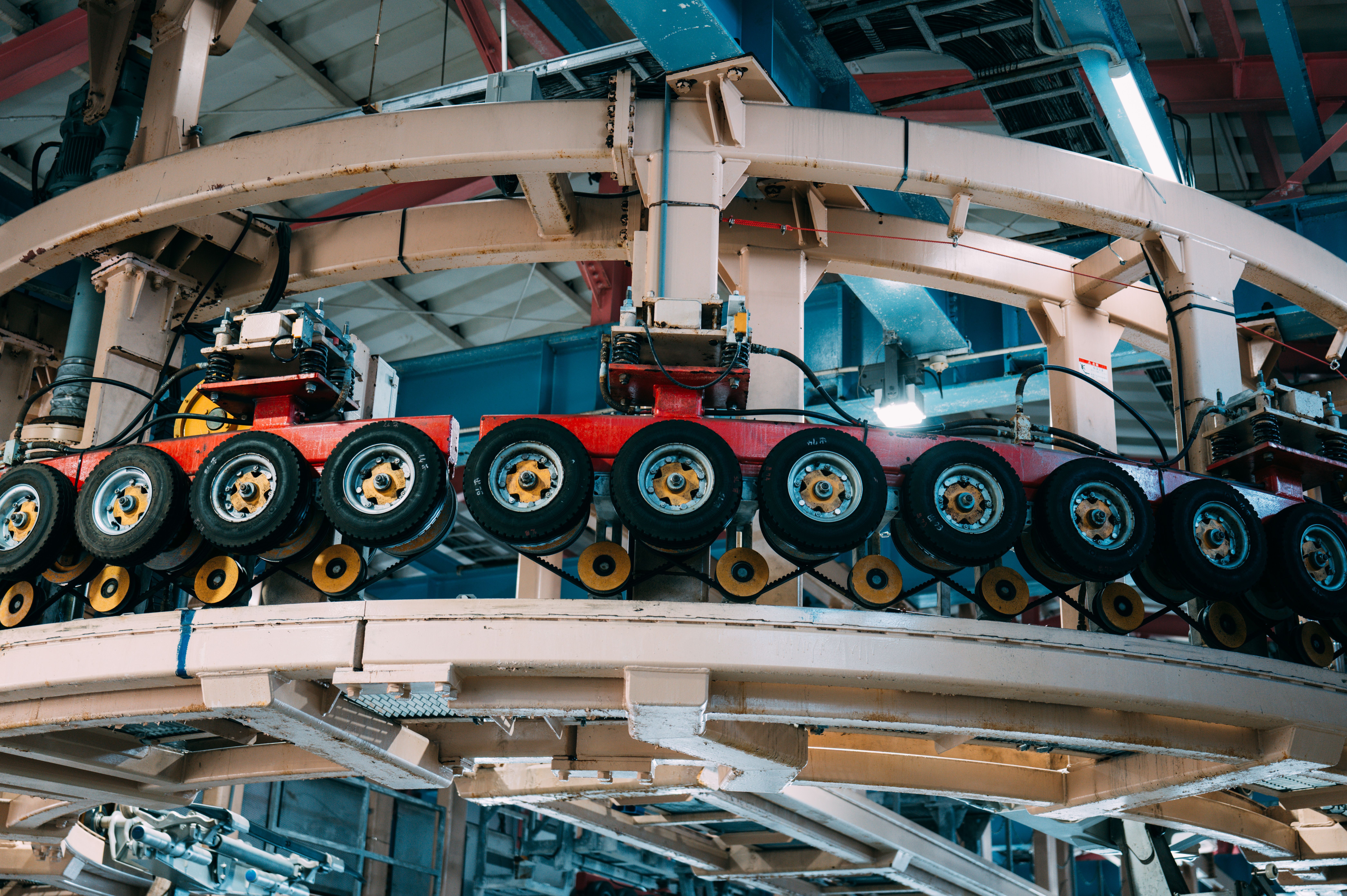
Minnesota inventors hold an advantage that has nothing to do with better ideas and everything to do with what surrounds them: one of the deepest manufacturing supply chains in the country. The state’s molders, fabrication shops, tool makers, and contract engineers sit close enough to reach in a single drive, which lowers the cost and shortens the time of every step between a concept and a finished product. That depth is the Midwest edge, and it shows up most clearly for people bringing a first product to market.
What manufacturing depth means
Depth is not the same as size. A region can host one giant factory and still be shallow, because a single plant makes only what it is set up to make. Depth means variety and redundancy: many shops, many processes, many vendors who compete for work. Minnesota has that. The state’s long history in materials, medical devices, and industrial products built a supplier base wide enough that an inventor can usually find more than one shop able to make a given part.
That variety changes the economics. When several molders can quote the same job, prices stay competitive and lead times stay short. When only one shop in reach can do the work, the inventor takes whatever terms that shop offers. The US Small Business Administration’s Office of Advocacy has repeatedly found that small manufacturers do better where suppliers are plentiful, because competition among vendors protects the buyer.
The historical roots
The depth traces back more than a century. 3M, founded in 1902 in Minnesota as Minnesota Mining and Manufacturing, turned the state into a materials-science center and trained thousands of engineers. Medtronic and the medical device firms that followed added precision manufacturing and tight quality standards. Each wave of large employers pulled in suppliers, and many of those suppliers stayed and diversified after the anchor contracts ended. The result is a layered ecosystem where a first-time inventor benefits from infrastructure that large firms paid to build.
How the edge shows up for inventors
The advantage is practical and specific. A designer working on a new consumer product needs feedback from someone who actually makes parts: whether a wall is too thin to mold, whether a snap fit will survive, whether a material choice doubles the tooling cost. In a shallow region, that feedback arrives slowly, by email and shipped samples. In Minnesota, it can arrive in person the same week.
Design for manufacturability is where this matters most. A product that looks fine on screen can be impossible or expensive to produce. Catching that early, with a real manufacturer in the conversation, saves the redesign cycles that drain first-time budgets. The state’s supplier depth makes that early conversation easy to arrange.
Depth plus digital design
The modern version of this advantage pairs local suppliers with virtual-first design. Product development firms in the region now do most of their work digitally: photorealistic renderings and CAD models that companies can review before any part is cut. Enhance Innovations, a product development firm founded in 2010 and based in Champlin, Minnesota, builds its process around that virtual-first package, treating physical prototypes as a situational add-on rather than a required step, and handling design, engineering, marketing, and licensing under one roof.
The combination is what gives Minnesota inventors their edge. The digital work reaches manufacturers anywhere. The physical supply chain, when a project needs it, sits close by. An inventor gets national reach on the design side and local depth on the production side.
Where the data points
The output supports the story. Minnesota ranks among the top states for utility patents granted per capita, according to the US Patent and Trademark Office’s Patenting by Geographic Region report, and the USPTO grants more than 300,000 utility patents in a typical year. A state that patents at that rate, while holding a deep and competitive supplier base, gives independent inventors an unusually complete environment.
The edge does not guarantee outcomes. Manufacturing depth cannot make a weak product sell, and most inventions never reach a shelf regardless of where they are made. What depth does is remove friction and cost from the middle of the process, which is where many first-time inventors run out of money or patience. For anyone weighing where to build a product, that reduction in friction is the Midwest’s real contribution.