
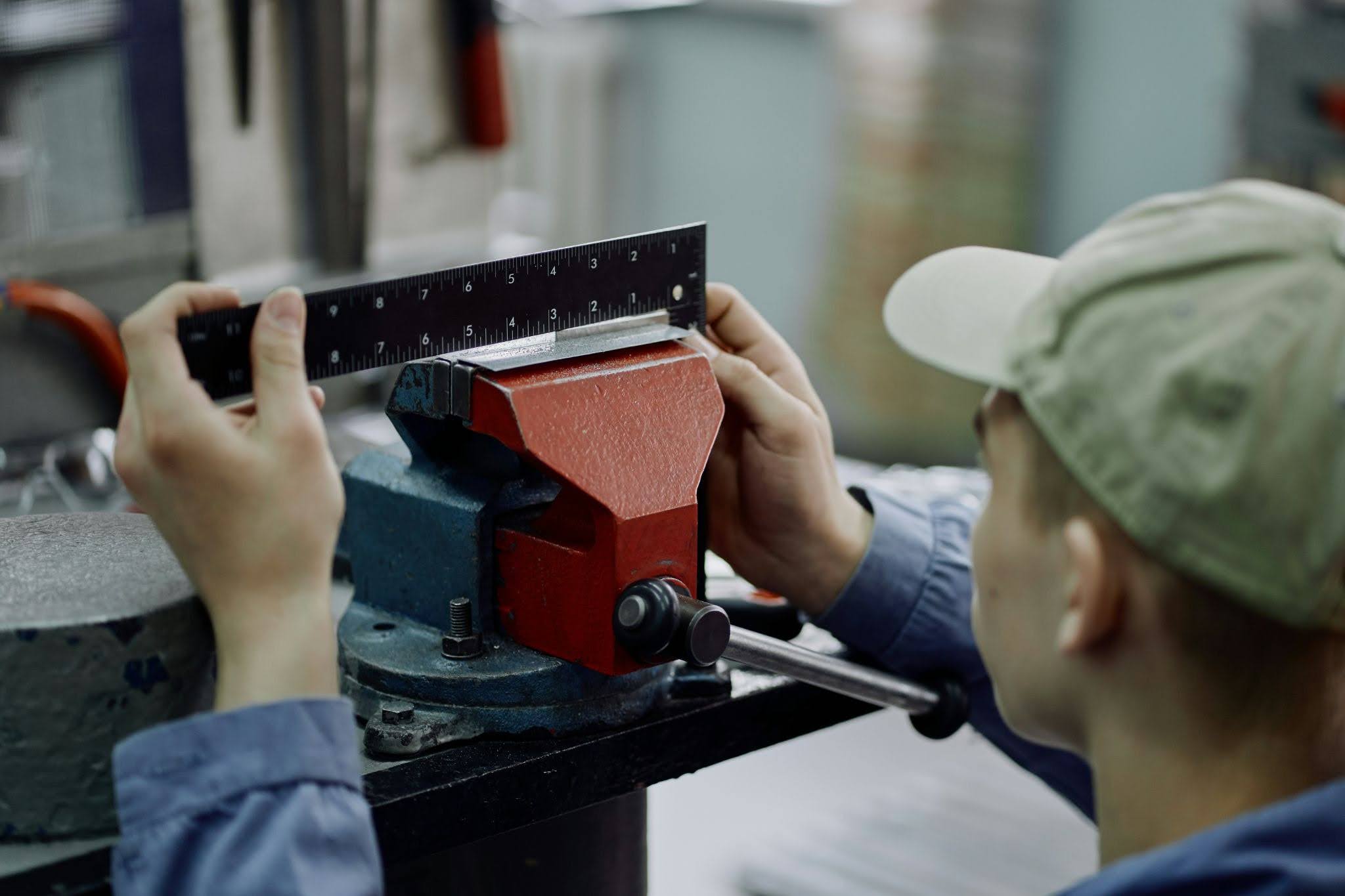
When manufacturers talk about sustainability, the conversation often focuses on ambitious initiatives: reducing carbon emissions, transitioning to renewable energy, or building more resilient supply chains.
Those efforts are important. But one of manufacturing’s biggest sustainability opportunities receives far less attention.
It happens every day on the factory floor.
Every scrapped component. Every unnecessary rework cycle. Every production error caused by outdated instructions or inconsistent execution consumes raw materials, machine time, energy, and labor that can never be recovered.
For many manufacturers, sustainability isn’t being undermined by strategy. It’s being undermined by execution.
Waste Is More Than Scrap
Manufacturing waste is often measured in physical materials, but its impact extends much further.
A defective part doesn’t just represent wasted metal, plastic, or composite material. It also reflects the energy required to manufacture it, the labor invested to assemble it, the machine capacity consumed during production, and the additional resources needed to replace it.
Rework creates similar challenges. Products that must be repaired or rebuilt consume additional time and resources while reducing overall production capacity.
Viewed this way, operational waste becomes more than a quality issue. It becomes both an environmental and a financial challenge.
Reducing waste is no longer simply about improving production efficiency. It is about making better use of every resource that enters the manufacturing process.
Small Execution Errors Create Big Sustainability Problems
Waste rarely begins with a defective product.
More often, it starts much earlier.
An outdated work instruction. A misunderstood engineering change. An operator following a different process than the previous shift. Small execution inconsistencies can quickly become material losses that ripple throughout production.
As products become more sophisticated and manufacturing processes grow more dynamic, these risks increase.
Engineering teams may update product designs rapidly, but if those changes are not reflected accurately on the factory floor, workers are left interpreting information rather than executing with confidence.
The result is preventable scrap, unnecessary rework, production delays, and higher material consumption, all of which quietly undermine sustainability goals.
Better Execution Is Becoming a Sustainability Strategy
Manufacturers cannot eliminate every source of waste.
But they can significantly reduce the waste created by avoidable execution errors.
Ensuring workers have access to accurate, up-to-date guidance at the point of work improves first-pass quality, reducing the likelihood that products will need to be repaired, discarded, or rebuilt.
Doing the job correctly the first time benefits more than production metrics.
It reduces material consumption, lowers energy use, minimizes unnecessary machine cycles, and helps organizations make better use of the resources they already have.
Operational excellence and environmental performance are becoming increasingly connected.
This shift is also changing how manufacturers define sustainability success. Traditionally, environmental performance has been measured through metrics such as emissions, energy consumption, and waste reduction targets reported at the organizational level. While those indicators remain important, they often fail to capture what is happening during everyday production.
A sustainability strategy that overlooks execution ignores the thousands of decisions made on the factory floor every day. Every assembly step, product revision, inspection, and material movement affects the environmental footprint of manufacturing. The companies making the greatest progress are increasingly recognizing that sustainability is not just a reporting exercise. It is an operational discipline built through small, repeatable actions that reduce waste before it ever occurs
Connecting Engineering to the Factory Floor
One way manufacturers are addressing this challenge is by improving how engineering information reaches frontline workers.
Rather than relying on static documents that can quickly become outdated, companies are beginning to adopt visual, interactive work instructions that remain aligned with engineering changes throughout the production process.
For example, Canvas Envision, led by CEO Garth Coleman, is shaping this movement, helping manufacturers transform engineering data into dynamic workflows that guide workers through each task. By reducing miscommunication and keeping execution aligned with current product information, these approaches can help lower scrap, reduce rework, and minimize the operational waste that often goes unnoticed.
The goal is not simply to digitize documentation, but to make quality easier to achieve every time work is performed.
The Most Sustainable Product Is the One Built Right the First Time
As manufacturers continue investing in sustainability, many will focus on large-scale initiatives that reshape facilities, supply chains, or energy consumption.
Those investments matter, but some of the most immediate gains may come from something far more practical: improving execution.
Every product built correctly the first time avoids unnecessary material waste, conserves energy, and reduces the need for additional labor and machine time. Those improvements strengthen both environmental performance and operational profitability.
In the next phase of manufacturing, sustainability will be measured not only by what companies produce, but by how efficiently they produce it. And that makes the factory floor, not the boardroom, one of the industry’s most important opportunities for meaningful environmental progress.
For more coverage on this topic, see related articles on our publishing site.